Source Full Color Tri Fold Catalog Booklet for Marketing
Compare 30 suppliers offering full color tri fold catalog booklet options with custom sizes and binding. Buyers can evaluate paper types, surface finishes, and lead times to find the right manufacturer for their needs; compare the available evidence and request quotations based on your requirements.
Key considerations
Products List
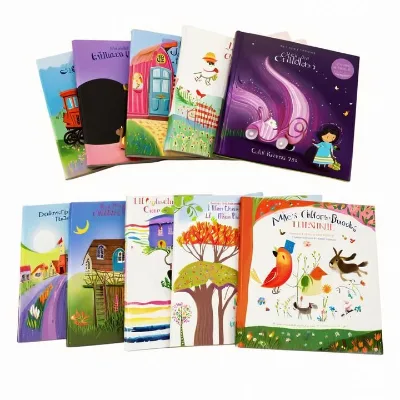



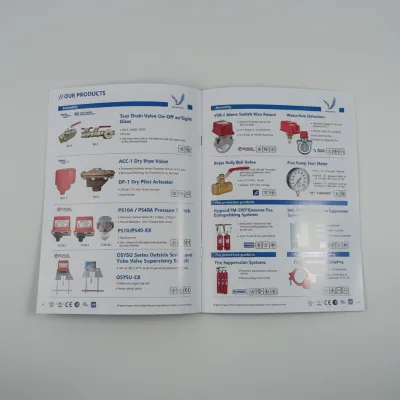


Comprehensive Sourcing Guide
Full Color Tri Fold Catalog Booklet Sourcing Guide
Sourcing high-quality tri-fold catalogs requires a strategic approach to balancing visual impact with structural integrity. Buyers must prioritize suppliers who specialize in offset printing and offer robust customization options for paper weight and surface finishes. The decision to source from regions like Guangdong, China, often provides access to advanced manufacturing capabilities and competitive pricing structures. However, this advantage necessitates rigorous due diligence to ensure that the final product meets international quality standards and delivery expectations.
Procurement teams should focus on verifying the supplier’s ability to handle complex binding methods and specialized surface treatments. Options such as saddle stitching, perfect binding, and spiral binding each offer distinct advantages depending on the intended use of the catalog. Additionally, surface treatments like lamination, embossing, and spot UV can significantly enhance the tactile experience and perceived value of the booklet. Understanding these technical nuances allows buyers to make informed decisions that align with their brand identity and functional requirements.
Product Scope and Observed Listing Signals
The market for full color tri-fold catalogs exhibits a wide range of product variations, with observed prices spanning from $0.02 to $28.80 per unit. This broad spectrum reflects differences in paper quality, page count, and finishing techniques. Buyers should note that the minimum order quantity (MOQ) typically ranges from 1 to 1,000 units, allowing for flexibility in initial trial orders versus large-scale production runs. Understanding these market signals helps in budgeting and negotiating terms that suit specific project scales.
Listings frequently highlight customization capabilities, including accepted logos, custom sizes, and various paper types such as coated paper, art paper, and cardboard. The observed data indicates that many suppliers offer OEM services, allowing for tailored shapes, thicknesses, and color profiles using CMYK or Pantone systems. These signals suggest a mature supply chain capable of meeting diverse branding needs. Buyers should leverage this flexibility to create unique marketing materials that stand out in competitive markets while maintaining cost efficiency.
Technical Specifications to Verify
Verifying technical specifications is critical to ensuring the catalog meets functional and aesthetic requirements. Key attributes to confirm include the printing type, which is predominantly offset printing for high-volume jobs, and the paper type, such as art paper or fancy paper. Buyers should also specify the desired binding method, whether saddle stitching for thinner booklets or perfect binding for thicker catalogs. These choices directly impact the durability and professional appearance of the final product.
Surface finishing options play a significant role in enhancing the visual appeal of the catalog. Common treatments include film lamination, matte or glossy finishes, embossing, debossing, spot UV, and foil stamping. Additionally, buyers should verify the standard sizes, such as 16K or custom dimensions, and the page count, which can range from 44 to 120 pages depending on the design. Confirming these details with the supplier ensures that the printed materials align with the intended message and quality expectations.
Compliance and Safety Documentation
While specific certification requirements may vary by region and end-use, buyers should always request documentation that confirms compliance with relevant environmental and safety standards. For printed materials, this often includes verification of ink safety and paper sourcing practices. Suppliers in major manufacturing hubs like Guangdong are generally familiar with international export requirements, but explicit confirmation is necessary to avoid regulatory hurdles.
Buyers should also inquire about the supplier’s quality management systems and their adherence to industry best practices. This includes understanding how they handle color consistency, registration accuracy, and binding strength. Requesting sample proofs and conducting pre-shipment inspections can provide additional assurance of quality. Ensuring that all documentation is in order helps mitigate risks associated with non-compliance and ensures a smooth import process.
Cost Drivers and Commercial Terms
Several factors influence the final cost of a full color tri-fold catalog, including paper type, page count, and surface finishing. High-quality art paper and complex finishes like foil stamping or embossing will increase the unit price. Buyers should also consider the impact of order volume on pricing, as larger quantities often result in lower per-unit costs due to economies of scale. Understanding these cost drivers allows for more accurate budgeting and negotiation.
Commercial terms such as lead time and payment conditions are equally important. Observed lead times typically range from 7 to 12 days, but this can vary based on the complexity of the order and current production schedules. Buyers should clarify packaging requirements, such as export cartons or pallets, to ensure safe transit. Establishing clear terms regarding revisions, approvals, and potential penalties for delays helps protect the buyer’s interests and ensures timely delivery.
Supplier Qualification and Quality Control
Qualifying suppliers involves assessing their production capabilities, past performance, and commitment to quality. Buyers should verify the supplier’s experience with similar projects and request references or case studies. It is also important to evaluate their quality control processes, including in-line inspections and final random inspections. A robust QC system ensures that defects are identified and corrected before shipment, reducing the risk of receiving substandard products.
Communication and responsiveness are key indicators of a reliable supplier. Buyers should assess how quickly and clearly the supplier responds to inquiries and provides solutions to potential issues. Establishing a clear point of contact and regular update schedules can facilitate smoother collaboration. Additionally, verifying the supplier’s ability to handle custom requirements, such as specific logos or unique binding methods, ensures they can meet the buyer’s specific needs.
Long-Term Procurement Checks
Establishing long-term relationships with suppliers requires ongoing monitoring and evaluation of performance metrics. Buyers should regularly review key performance indicators such as on-time delivery rates, product quality consistency, and responsiveness to issues. Conducting periodic audits or site visits can provide deeper insights into the supplier’s operations and help identify areas for improvement. This proactive approach ensures that the supply chain remains resilient and efficient.
Continuous improvement initiatives should be encouraged through regular feedback sessions and joint planning. Buyers and suppliers can collaborate on optimizing processes, reducing waste, and enhancing product quality. Staying informed about industry trends and technological advancements allows both parties to adapt to changing market demands. By fostering a partnership based on trust and mutual benefit, buyers can secure a reliable source for their catalog printing needs over the long term.
FAQs
What paper types are available for full color tri fold catalog booklet printing?
Coated paper, art paper, and cardboard are commonly used for these booklets. Coated and art papers provide a smooth surface for vibrant full-color printing, while cardboard offers greater durability for heavier catalogs. The choice depends on the desired finish and structural needs of the final product.
Can I customize the logo on my full color tri fold catalog booklet?
Yes, customized logos are accepted for these printing services. You can include your brand identity on the cover or inside pages. This customization allows for unique branding, ensuring your marketing materials stand out and effectively communicate your company message to potential clients and partners.
What is the typical lead time for full color tri fold catalog booklet orders?
The standard leading time is typically 7-12 days after order confirmation. This timeframe allows for printing, surface finishing, and binding processes. Expedited options may be available depending on the complexity of the design and the specific production schedule of the manufacturer in Guangdong, China.
Which binding methods are used for full color tri fold catalog booklets?
Saddle stitching, perfect binding, sewing binding, and spiral binding are available options. Saddle stitching is common for thinner catalogs, while perfect binding suits thicker publications. The binding method affects durability and lay-flat capability, so selection should align with the booklet's page count and usage requirements.
What surface finishes are offered for full color tri fold catalog booklets?
Options include film lamination, matte lamination, spot UV, embossing, debossing, and foil stamping. These finishes enhance visual appeal and tactile quality. Glossy or matte effects can be selected to match brand aesthetics, providing protection against wear while elevating the perceived value of the printed catalog materials.
What is the minimum order quantity for full color tri fold catalog booklets?
The minimum order quantity ranges from 1 to 1000 pieces, with some listings specifying 500 copies. Lower MOQs allow for testing designs or small campaigns, while larger orders benefit from economies of scale. Buyers should confirm specific MOQ requirements with suppliers based on their production capacity and pricing tiers.